

London is a very old city that is full of rich history, and as the largest city and capital in the UK, it’s essential that this history is preserved. There have been many different projects in London over the last couple of decades that have been designed to restore and upkeep the historic and cultural heritage of the city. Scaffolding is useful and oftentimes necessary in these restorations as it allows construction workers and restorationists to work at height.
At Beacon Scaffolding, we have been offering professional scaffolding services throughout London for many years now, and we have participated in some of the restoration projects that have occurred throughout London over the last few years. We provide specialist scaffolding, commercial, and domestic scaffolding services, and we’re the experts you need when it comes to providing scaffolding for any restoration project. Keep reading below to find out the ways scaffolding can be used for restoration, and the future of scaffolding as a means of restoration.
The Evolution of Scaffolding in Restoration
The use of scaffolding in construction and restoration dates back to ancient times. The Egyptians, for example, used wooden frameworks to assist in the construction of the pyramids. However, the evolution of scaffolding has been significant, especially with the advent of new materials like steel and aluminium, and safety mechanisms. These advances have not only made scaffolding more secure but also more efficient for complex restoration projects that require precision and delicacy.

Advancements in materials science, computer-aided design, and modular construction have revolutionised scaffolding technology. Modern scaffolds are far safer, thanks to innovations such as guard rails, toe boards, and safety nets. Moreover, they can be erected and dismantled more quickly, thereby saving both time and resources. These advances are particularly crucial in restoration projects, where the preservation of existing structures often requires a gentle touch.
Scaffolding's Role in Restoration
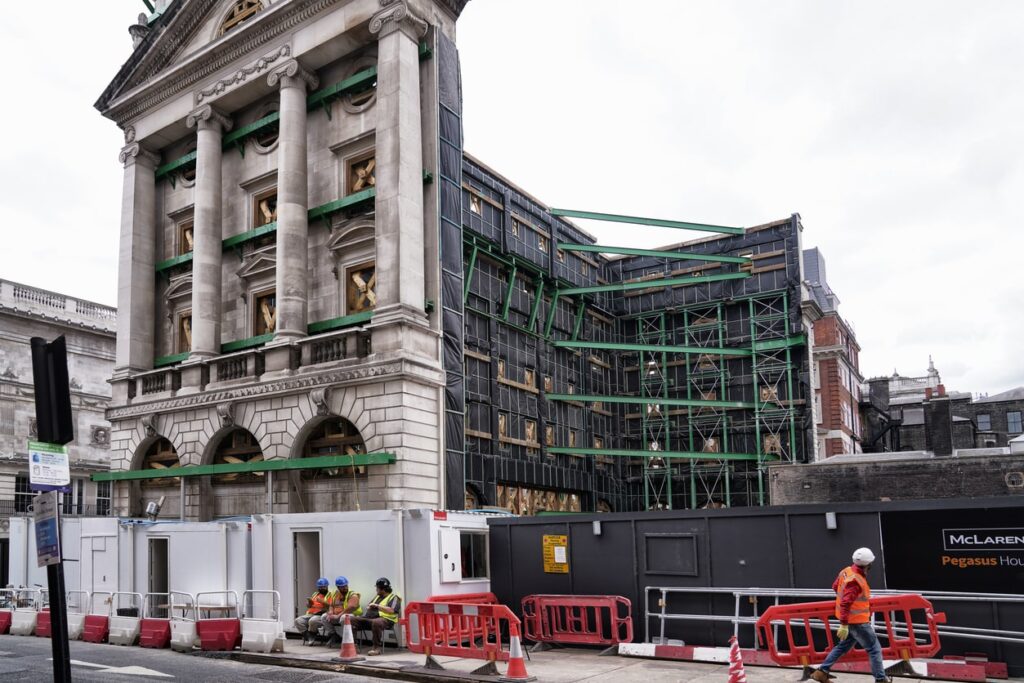
In restoration, scaffolding serves not just as a support structure but also as a platform that enables artisans and restorers to perform meticulous work. Whether it’s repainting a centuries-old mural, repairing damaged stonework, or restoring an iconic façade, scaffolding provides the necessary elevation and accessibility. It acts as major support in the restoration process, allowing skilled craftsmen to focus on the intricacies of their art.
Before any restoration work can begin, thorough inspections are crucial to assess the extent of damage or decay. Scaffolding provides the means for experts to carry out these inspections at various heights and angles. Advanced scaffolds equipped with electrical outlets can even support diagnostic equipment, making it easier for restorers to make accurate evaluations.
When dealing with historic structures, the scaffolding serves another crucial role: structural reinforcement. Many old buildings are fragile and may be prone to collapse if not adequately supported. Temporary scaffolding can act as a care framework, supporting the structure while repairs are carried out, thus ensuring the building remains stable throughout the restoration process.
Navigating Regulatory Landscapes
One of the greatest challenges in restoring historic buildings, particularly in places like London with rich histories, is the tension between complying with modern safety standards and preserving historical authenticity. Scaffolding plays a vital role here, offering solutions that allow for the restoration and reinforcement of original features while still meeting modern safety criteria.
For more information on scaffolding safety, check out our blog! We have plenty of tips for following regulations regarding safety – including working on scaffolding in the rain, and safety tips for working at height.
The Future of Scaffolding in London's Historic Restoration
The next frontier in scaffolding technology is likely to be driven by sustainability and automation. With the increasing focus on eco-friendly practices, scaffolding made from sustainable materials is already gaining traction. Additionally, the incorporation of smart technologies like drones for initial site surveys or even robotic arms for assembly may not be far off.
As we look towards the future, the role of scaffolding in the preservation of London’s historic skyline remains crucial. With a blend of technological innovation and respect for history, scaffolding will continue to serve as the bridge between past and present, ensuring that future generations can enjoy London’s architectural treasures. For examples of London’s recent restoration projects, perhaps one of the largest and most significant was that of Big Ben.
For more information, contact Beacon Scaffolding today!
If you would like to find out more about scaffolding contributions to London’s restoration projects, or if you’re looking for experts to provide high quality scaffolding for your project, make sure you get in touch with Beacon Scaffolding now! We offer a range of scaffolding services, so don’t hesitate to reach out to us today!