

Scaffolding is often required when constructing tall buildings due to their height, which makes it difficult for workers to work on their own. In addition to creating access points for workers, scaffolding can also be used as a safety measure if there are any concerns about falling objects or other threats. Among its many uses, scaffolding can also be used as a temporary framework for events such as concerts. This makes it possible for musicians and performers to perform their shows without worrying about damaging any other parts of the building or injuring themselves or others due to a fall from height.
Here at Beacon Scaffolding, we are proud to offer the best standard scaffolding services to our clients in London. If you need scaffolding for any purpose, our team can help! Or, if you would like more information about scaffolding and its benefits, keep reading this helpful article our team have put together below!

What is Scaffolding Made From?
The structure consists of uprights, trusses, braces, guy wires and supports. The base of the scaffold is usually made out of plywood or plastic sheeting. The main structure is usually built on-site but can be transported to construction sites as needed.
Scaffolding is the most used material in construction. The main reason for this is that it can be moved around easily and it is lightweight, allowing workers to access areas that they wouldn’t be able to reach otherwise. The scaffolding also makes it easier for maintenance crews to work on an area without having to take down all of the other parts of the building at once.
Typically constructed from wood or metal that supports the steel structure of a building during the construction process, scaffolding may be used to erect large structures such as skyscrapers, bridges and stadium stands. It can also be used to erect smaller structures such as tents or marquees. Scaffolding is commonly used in construction projects as it creates a safe working environment for workers and allows them access to areas that may be difficult to reach or dangerous to do so without support.
Benefits of Scaffolding
Scaffolding has many benefits in construction. It helps in saving time and money, reduces operating cost for heavy machinery, provides better visibility for workers and also increases productivity. The most obvious benefit is that it allows workers to get up and down from elevated areas, which is useful when working on high buildings or bridges. It also makes it possible to work at different heights in the same area, which can save money as you can get more work done with fewer workers.
Scaffolding is also useful when doing maintenance or repair work on buildings, as it keeps debris and other materials off the ground so they don’t damage property or cause a danger to workers or the general public. It also makes it possible to reach places where there aren’t any ladders or other equipment that could be used for this purpose. If you would like more information about some of the benefits scaffolding can offer, please feel free to get in touch with our team today!
Health and Safety
When using scaffolding, workers should always follow industry standard health and safety guidelines, being careful not to fall off the platform while they are working on the roof or upper floors of a building, because they could fall and injure themselves or someone else nearby. To prevent this from happening, they should wear safety harnesses when working on top of buildings and make sure that their scaffolding is secure before ascending or descending.
The use of scaffolding enables workers to complete tasks without having to go into the danger zone where they could fall victim to any number of hazards including falling objects, hot surfaces and chemicals.
Scaffolding helps with safety inspections of bridges or other large structures that cannot be accessed by hand. Scaffolds are often used to safely inspect large structures such as bridges and dams without causing damage to the structure itself. Scaffolding can also be used for site preparation of existing facilities, such as roadways, parking lots or bridges.
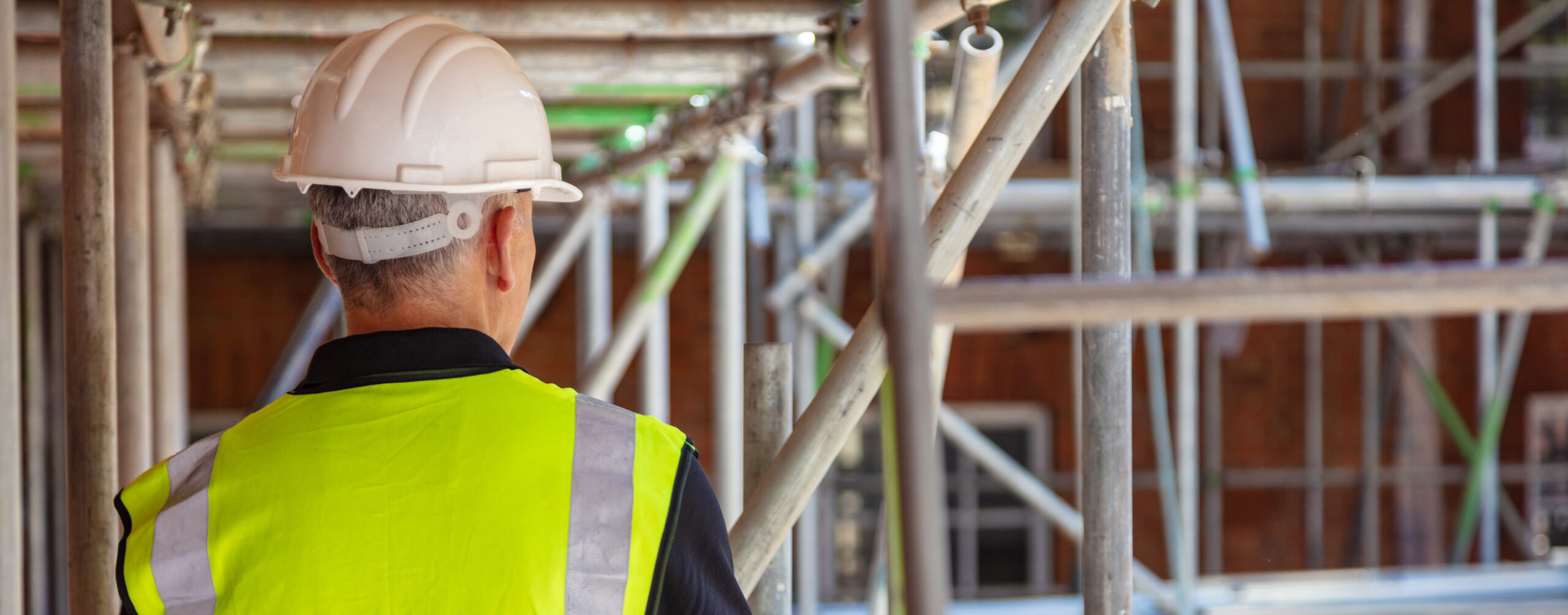
Choosing the Right Scaffolding
Scaffolding comes in different forms, depending on what type of construction site you are working on. For example, if you are building or renovating a home then you will need carpenter’s scaffolding, which consists of wooden poles spaced at regular intervals along your house’s outline. This type of scaffold often has a platform at the top where you can stand and work on your project without fear of falling off or injuring yourself.
When it comes to commercial projects such as office buildings and factories, there are also two main types of scaffold: fixed platforms and portable platforms. Fixed platforms are generally made from steel beams that extend from wall to wall; whereas portable platforms can be fitted with wheels for easy transportation around the site or stored when not in use.
Looking for Scaffolding in North London and East London? Let us Help!
If you’re looking for high quality scaffolding services in North and East London, our team at Beacon Scaffolding are on hand to help. For more information, give us a call today! We’re on hand to offer guidance and advice and ensure you find the right scaffolding for your needs!
